Wood has been used in construction for thousands of years because of its strength, durability, and natural beauty. From timber-frame homes and log cabins to outdoor decks, fences, and structural beams, wood remains one of the world’s most trusted building materials. However, despite its durability, timber is constantly influenced by weather. Rain, humidity, sunlight, snow, and fluctuating temperatures can gradually weaken wood if it is not properly protected and maintained.
Weather alone does not instantly cause wood to decay, but prolonged exposure to unfavorable conditions can create an environment where fungal decay, moisture damage, and wood-boring insects become more likely. Fortunately, most weather-related timber damage can be prevented through proper construction, moisture control, routine inspections, and regular maintenance.
In this guide, we’ll explore how different weather conditions accelerate wood decay and the best ways to protect timber structures for decades.
Why Weather Has Such a Big Impact on Wood
Wood is a natural material that constantly exchanges moisture with its environment.
As weather conditions change, timber naturally:
- Expands and contracts
- Absorbs moisture
- Releases moisture
- Responds to temperature changes
These natural processes are normal, but prolonged exposure to harsh weather can gradually reduce the lifespan of untreated or poorly maintained timber.
Rain and Persistent Moisture
Rain is one of the biggest contributors to wood deterioration.
When timber remains wet for extended periods, it becomes more vulnerable to:
- Fungal decay
- Mold and mildew
- Surface staining
- Softening of wood fibers
- Conditions that may encourage wood-boring insects
Proper drainage and waterproofing help reduce these risks.
High Humidity
Even without rainfall, high humidity can affect timber.
Excess moisture in the air may:
- Slow drying after rain
- Increase condensation
- Raise moisture levels inside wood
- Encourage fungal growth
Homes in humid climates should have good ventilation to help regulate moisture levels.
Snow and Ice
Cold weather presents different challenges.
Snow itself is not necessarily harmful, but melting snow and repeated freeze-thaw cycles can expose timber to prolonged moisture.
Potential problems include:
- Water penetration
- Surface cracking
- Moisture trapped beneath protective coatings
- Ice-related damage around roof structures
Removing excessive snow where appropriate and maintaining the roof can help protect exposed timber.
Sunlight and UV Exposure
Ultraviolet (UV) radiation gradually breaks down the surface fibers of exposed wood.
Over time, sunlight may cause:
- Fading
- Surface weathering
- Drying
- Minor cracking
- Loss of protective finishes
Exterior stains, oils, and UV-resistant coatings help slow this process.
Temperature Fluctuations
Wood naturally expands in humid conditions and contracts as it dries.
Frequent temperature changes can contribute to:
- Small surface checks
- Joint movement
- Minor gaps
- Loosening of fasteners over many years
These changes are usually manageable with proper maintenance.
Wind-Driven Rain
Strong winds can force rain into areas that normally remain dry.
This may affect:
- Window frames
- Roof joints
- Exterior cladding
- Wooden doors
- Structural beams near rooflines
Regular inspections after storms help identify water penetration early.
Coastal Weather
Homes near the coast face additional environmental challenges.
Salt-laden air combined with humidity and strong winds can accelerate weathering of exterior timber and protective finishes.
More frequent inspections and maintenance are often recommended in coastal areas.
Weather and Woodworm
Weather does not directly create woodworm infestations, but moisture-related conditions may make timber more suitable for certain wood-boring beetle species.
Watch for signs such as:
- Small round exit holes
- Fine wood dust (frass)
- Weak or crumbly timber
- Adult beetles appearing during warmer months
A professional inspection can determine whether an infestation is active.
How to Protect Timber From Weather Damage
Keep Timber Dry
The most effective protection is moisture control.
Protect your property by:
- Repairing roof leaks immediately.
- Maintaining gutters and downpipes.
- Preventing standing water.
- Improving drainage around the building.
- Fixing plumbing leaks promptly.
Dry timber is generally more durable and less favorable to many wood-boring insects.
Improve Ventilation
Proper airflow helps reduce condensation and keeps timber dry.
Important areas include:
- Roof spaces
- Crawl spaces
- Basements
- Utility rooms
Ventilation is especially important in humid climates.
Apply Protective Finishes
Exterior timber benefits from protective products such as:
- Wood oils
- Exterior stains
- Sealants
- Paint systems
Maintain these finishes according to the manufacturer’s recommendations.
Inspect Timber Regularly
At least once each year, inspect:
- Roof beams
- Exterior cladding
- Decking
- Window frames
- Door frames
- Fence posts
Look for:
- Water stains
- Cracks
- Soft wood
- Peeling finishes
- Frass
- Exit holes
Early repairs are usually much less expensive than structural restoration.
Modern Woodworm Treatment Options
If an active woodworm infestation is confirmed, treatment depends on:
- Beetle species
- Severity of infestation
- Structural condition
- Accessibility
Professional options include approved chemical treatments and modern heat-based technologies.
Microwave Woodworm Treatment
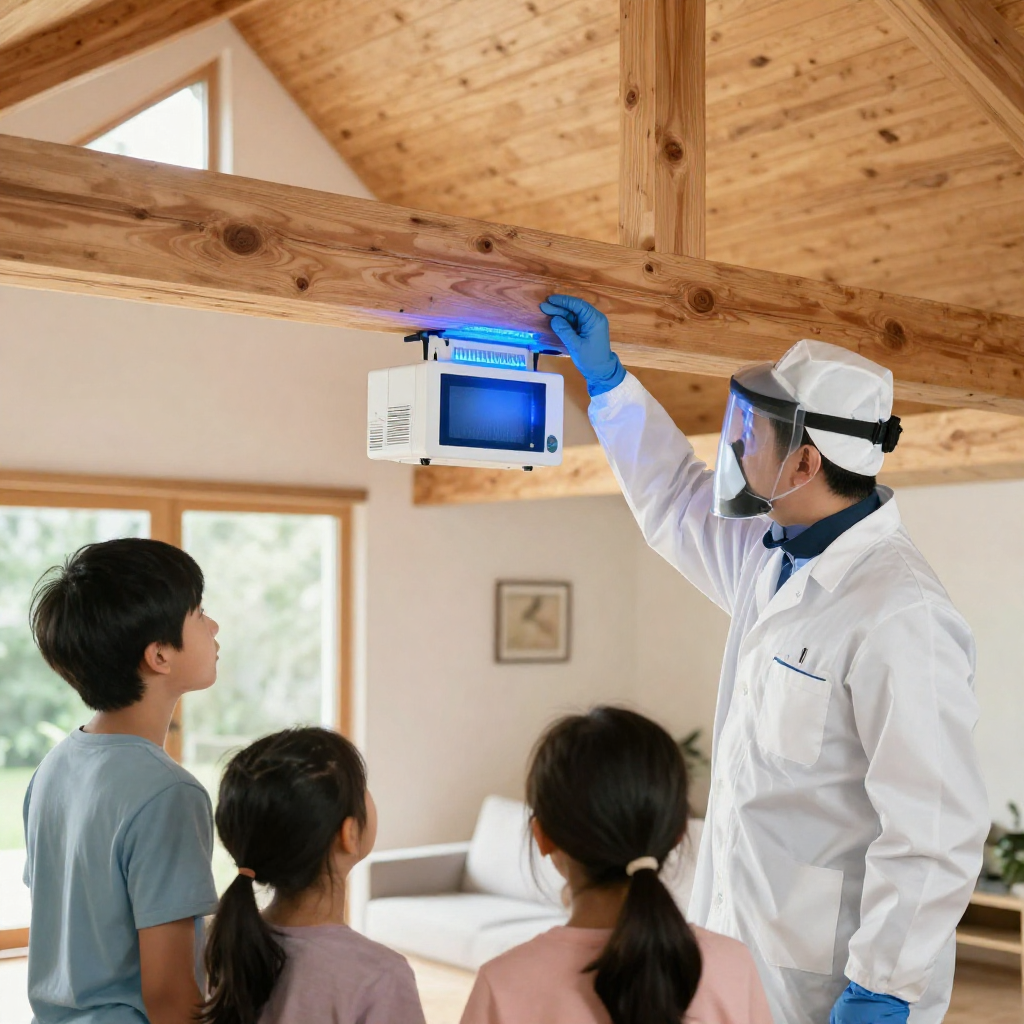
One increasingly popular chemical-free solution is microwave woodworm treatment.
Professional microwave equipment generates controlled heat inside timber through dielectric heating, raising the internal temperature to levels that eliminate:
- Woodworm larvae
- Beetle eggs
- Pupae
- Adult wood-boring beetles
Benefits
- Chemical-free
- No pesticide residues
- Targeted treatment
- Environmentally responsible
- Suitable for many heritage buildings
- Helps preserve original structural timber
A timber preservation specialist can determine whether this treatment is appropriate for your property.
Seasonal Maintenance Checklist
Spring
- Inspect for winter damage.
- Clean gutters.
- Check roof drainage.
- Examine exterior timber.
Summer
- Maintain protective finishes.
- Monitor for insect activity.
- Improve ventilation.
Autumn
- Remove leaves.
- Inspect roofing.
- Prepare drainage systems.
Winter
- Monitor indoor humidity.
- Inspect after storms.
- Watch for roof leaks.
Following a seasonal maintenance schedule significantly reduces weather-related deterioration.
Weather Damage vs. Preventive Maintenance
| Weather Exposure | Preventive Solution |
|---|---|
| Heavy rain | Maintain roofing and drainage systems |
| High humidity | Improve ventilation and monitor moisture |
| Strong sunlight | Apply UV-resistant protective finishes |
| Snow and ice | Inspect roofs and remove excessive snow where appropriate |
| Coastal conditions | Increase inspection frequency and maintain protective coatings |
Consistent maintenance is the most effective defense against weather-related wood decay.
Common Myths About Weather and Timber
Myth 1: Rain Alone Causes Wood Rot
Fact: Rain itself is not usually the direct cause. Problems develop when timber remains damp for extended periods without adequate drying or maintenance.
Myth 2: Cold Weather Protects Wood
Fact: Freezing temperatures can still contribute to moisture-related damage through freeze-thaw cycles and melting snow.
Myth 3: Treated Timber Never Needs Maintenance
Fact: Pressure-treated and protected timber is more durable, but regular inspections and maintenance are still essential for long-term performance.
When Should You Contact a Professional?
Professional advice is recommended if you notice:
- Persistent dampness.
- Soft structural timber.
- Fresh frass.
- New exit holes.
- Roof leaks.
- Fungal growth.
- Significant cracking.
- Extensive weather-related deterioration.
A qualified timber preservation specialist can inspect your property, identify the underlying cause of the damage, and recommend the most appropriate repair or treatment plan.
Conclusion
Weather plays a major role in the long-term durability of timber, but most wood decay is preventable with proactive care. Rain, humidity, sunlight, snow, and temperature fluctuations all affect wood differently, making regular maintenance essential. By controlling moisture, maintaining protective finishes, improving ventilation, and inspecting timber throughout the year, homeowners can significantly extend the life of wooden structures.
If woodworm or other timber pests are discovered, professional treatment—whether through approved chemical products or modern chemical-free technologies such as microwave woodworm treatment—can help preserve structural timber while maintaining the building’s original character. Combined with consistent maintenance, these strategies ensure that wooden homes and structures remain strong, attractive, and durable for generations.Visit online https://www.shashel.eu for more details.