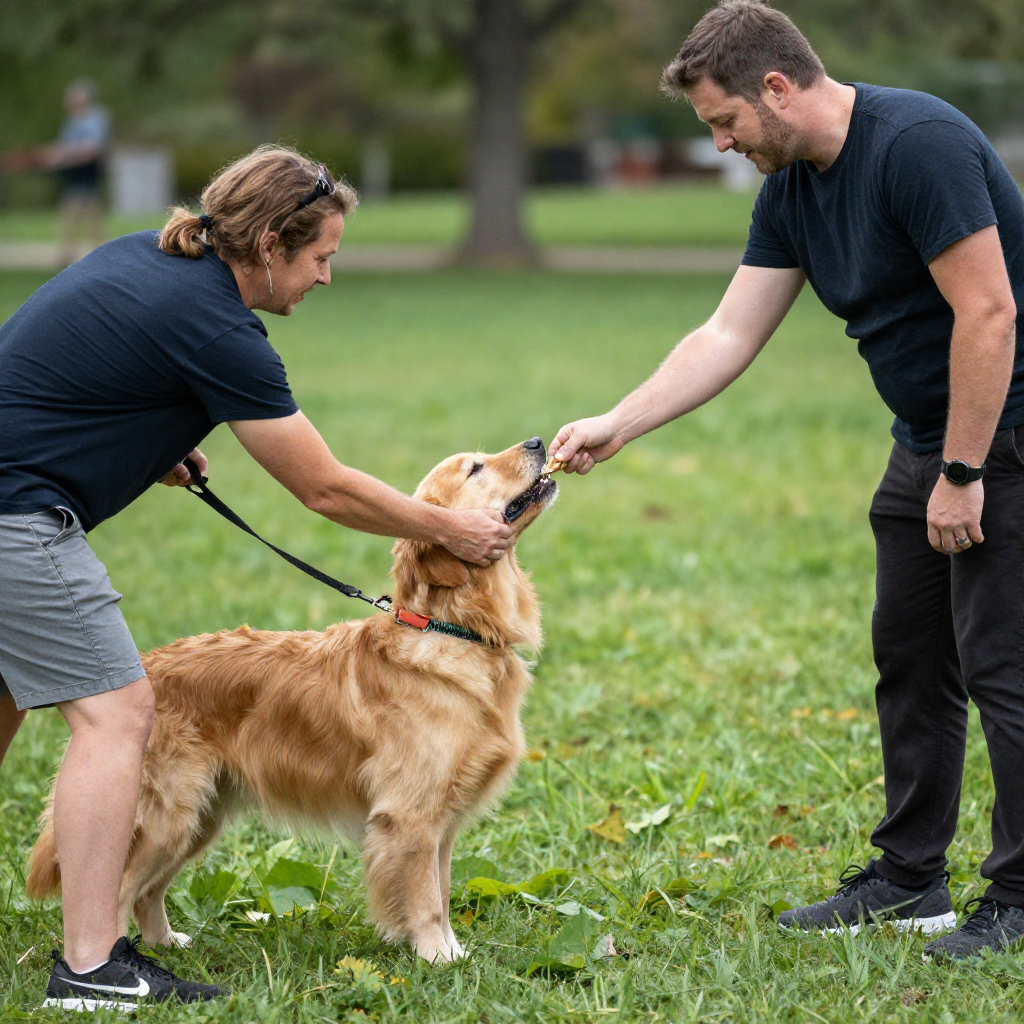
Puppy behavior education plays an important role in helping young dogs develop confidence, communication skills, and appropriate habits from an early age. Puppies are naturally curious, energetic, and eager to interact with their environment, but they need guidance to understand what behaviors are expected in a human household.
Early learning is not just about teaching commands. It is about helping puppies understand boundaries, develop emotional stability, and build positive relationships with people and other animals. With consistent guidance, patience, and reward-based methods, puppies can grow into well-mannered companions.
Many common challenges, such as chewing, barking, jumping, biting, and difficulty settling down, are normal parts of puppy development. However, addressing these behaviors early can prevent them from becoming long-term problems. Through structured support and expert guidance from Rob’s Dog Training, owners can learn effective ways to encourage healthy behaviors while strengthening their connection with their puppies.
Why Puppy Behavior Education Matters During Early Development
The first months of a puppy’s life are a critical period for learning. Puppies are constantly absorbing information from their surroundings, including how to respond to new experiences, people, sounds, and routines.
Puppy behavior education helps owners understand why puppies act the way they do. Instead of only correcting unwanted actions, effective education focuses on teaching puppies what to do instead.
For example, a puppy that jumps on visitors is often seeking attention rather than intentionally misbehaving. Teaching an alternative behavior, such as sitting calmly for greetings, creates clearer communication between the puppy and owner.
Early education can help puppies develop:
- Better impulse control
- Stronger social skills
- Confidence in new environments
- Improved focus and responsiveness
- Healthy daily routines
A puppy that receives proper guidance early is more likely to become a balanced adult dog that can successfully handle everyday situations.
Understanding Puppy Behavior and Communication
Puppies communicate primarily through body language and actions. Learning to recognize these signals allows owners to respond appropriately and create better training experiences.
Some common puppy behaviors include:
Chewing and Exploring
Puppies use their mouths to investigate the world around them. Chewing helps them learn about objects and can also provide relief during teething.
Instead of simply removing items from a puppy’s reach, owners can provide appropriate chew toys and redirect the behavior. This teaches puppies which items are acceptable while satisfying their natural instincts.
Biting and Mouthing
Mouthing is a common puppy behavior, especially during play. Puppies learn bite control through interactions with their littermates and continued guidance from humans.
Consistent responses, such as redirecting to toys and rewarding gentle play, help puppies understand appropriate boundaries.
Barking and Vocalization
Barking can communicate excitement, curiosity, fear, boredom, or a desire for attention. Understanding the reason behind barking is essential before addressing the behavior.
A puppy that barks because of frustration may need more mental stimulation, while a puppy barking from uncertainty may benefit from confidence-building exercises.
Jumping and Seeking Attention
Many puppies jump because they discover that the behavior gets a reaction. Even negative attention can sometimes encourage the habit.
Teaching calm greetings and rewarding four paws on the floor helps puppies learn more appropriate ways to interact.
How Puppy Behavior Education Builds Confidence
Confidence is one of the most valuable traits a puppy can develop. Confident dogs are often better prepared to handle changes, unfamiliar environments, and everyday challenges.
A structured puppy learning plan introduces new experiences gradually while keeping interactions positive. This can include exposure to different surfaces, sounds, people, locations, and situations.
Socialization is a major part of building confidence. However, effective socialization is not simply allowing a puppy to meet everyone and everything. It involves creating safe, positive experiences that help puppies feel comfortable.
Helpful confidence-building activities include:
- Introducing new sounds at a manageable level
- Practicing calm behavior around distractions
- Allowing controlled interactions with suitable dogs
- Teaching simple cues through positive reinforcement
- Creating predictable routines at home
These experiences help puppies develop emotional skills that support good behavior throughout their lives.
Positive Reinforcement and Effective Puppy Learning
Modern puppy training often focuses on positive reinforcement because it encourages dogs to repeat behaviors that lead to rewarding outcomes.
Positive reinforcement can include:
- Treat rewards
- Praise
- Playtime
- Access to favorite activities
- Affection when appropriate
The goal is to create a clear connection between a puppy’s actions and the results they receive.
For example, when a puppy sits calmly instead of jumping, rewarding that behavior teaches the puppy that calm actions receive attention. Over time, the puppy begins choosing the behavior more consistently.
Consistency is equally important. If one family member allows jumping while another discourages it, the puppy may become confused. Everyone in the household should follow similar expectations and responses.
Puppy Behavior Education Tips for New Dog Owners
Bringing home a puppy is exciting, but it also requires preparation and commitment. Small daily actions can make a significant difference in a puppy’s development.
Create a Predictable Routine
Puppies benefit from structure. Regular feeding times, bathroom breaks, play sessions, and rest periods help puppies understand what to expect each day.
A consistent routine can also support house training and reduce stress caused by uncertainty.
Reward Desired Behaviors
Many owners focus on stopping unwanted behaviors but forget to reward good ones. Puppies learn faster when they receive feedback for behaviors owners want to encourage.
Reward moments such as:
- Sitting calmly
- Checking in with the owner
- Walking politely on a leash
- Relaxing in a designated area
Provide Mental Stimulation
Puppies need more than physical exercise. Mental challenges help prevent boredom and encourage problem-solving skills.
Activities such as puzzle toys, scent games, training exercises, and interactive play can keep puppies engaged in healthy ways.
Avoid Harsh Corrections
Fear-based methods can damage trust and may increase stress-related behaviors. Puppies learn best when they understand what is expected and feel safe during the learning process.
Clear communication, patience, and positive guidance create stronger long-term results.
Common Puppy Training Mistakes to Avoid
Even well-intentioned owners can make mistakes when raising a puppy. Understanding common challenges can help create a better learning environment.
One common mistake is expecting too much too quickly. Puppies have short attention spans and are still developing physically and emotionally. Training sessions should be brief, consistent, and appropriate for the puppy’s age.
Another mistake is ignoring early warning signs. Behaviors such as excessive fear, resource guarding, or intense reactivity should be addressed with professional guidance before they become more difficult to manage.
Other mistakes include:
- Inconsistent household rules
- Lack of social experiences
- Not providing enough rest
- Using unclear communication
- Waiting too long to address concerns
Early support helps owners understand their puppy’s needs and create a healthier relationship.
Choosing the Right Approach for Puppy Behavior Education
Every puppy is different. Breed tendencies, personality, past experiences, and environment all influence how a puppy learns.
A good approach considers the individual puppy rather than using a one-size-fits-all method. Some puppies may need extra support with confidence, while others may need help developing focus or managing excitement.
Professional guidance from experienced trainers can provide owners with practical strategies tailored to their puppy’s specific needs.
At Rob’s Dog Training, puppy behavior education focuses on helping owners better understand their dogs while building reliable behaviors through thoughtful training methods. The goal is to create communication, trust, and skills that support everyday life.
Building a Strong Future Through Early Training
Puppyhood is a foundation-building stage that influences a dog’s future behavior. The lessons learned during this time can shape how a dog responds to people, environments, and daily experiences.
Puppy behavior education gives owners the tools to guide their dogs with confidence and consistency. By focusing on communication, positive learning experiences, and realistic expectations, families can create stronger bonds with their puppies.
A well-guided puppy is not created through quick fixes. It develops through patience, understanding, and ongoing support. Starting early provides puppies with the skills they need to become happy, confident, and dependable companions.
For families looking for professional guidance, Rob’s Dog Training provides personalized support to help puppies and owners succeed together. Visit https://robsdogs.com/ to learn more about available training services and puppy education programs.